
Effective Job Management for Field Service
It is essential to have an effective job management workflow when you work in the service industry.
Call us: 1 (877) 448-9895
It is essential to have an effective job management workflow when you work in the service industry.
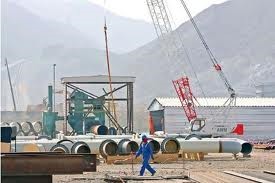
Your company offers a niche service to the oil and gas industry, and as you grow, you’re noticing more and more delays – on your end – when it comes to booking business.
Clients will talk about you, and if you want them to say the good things that will bring in new business, you’ll need to complete your projects on time and on budget. HVAC business software is invaluable to professionals in the HVAC, plumbing, or mechanical contractor construction fields. It's so invaluable because it provides you with the tools you need to manage your risk, time, cost, and scope – and keep your customers happy.
Some of the issues that often arise during a project include:
All projects, let alone management accounting projects, fail when they do not achieve the following keys to success:
Project management surveys show that only a handful of projects ever accomplish all three. Most projects are implemented and fail one or more of these criteria, and shockingly a large number are completely canceled due to failures.
Working in the service industry in Canada presents a number of challenges.
Handling money, for example, can be challenging, because each province – and then each county within the provinces – may handle taxes and other fees differently. Invoicing and payroll are suddenly daunting tasks.
These are challenging times for businesses that provide contracting or other services to the Alberta oil industry. Overall, that sector is now – or will be – showing signs of a recession. Whether it’s a long-term recession or a short-lived one remains to be seen, however.
Fortunately, a number of contractors still have work in select specialties assigned to ongoing, long-term projects. The firms lucky enough to continue their services are doubtless drilling down into their internal operations to monitor expenses. The focus will, of course, be on the profitability of each project.
A recent game-changer in the oil sector is the declining price of oil, which puts a stranglehold on future growth for companies serving this sector.
The outlook is further darkened by Royal Dutch Shell PLC’s plan to cut hundreds of jobs at its oil sands operation in northern Alberta.
Now is the time for companies to start adjusting to changes impacting their revenue streams and to remain vigilant for opportunities – all while closely monitoring every project in their pipeline.
Service businesses face unique challenges when it comes to managing orders. Making some changes to the order management process could contribute to boosting productivity and providing clients with a better experience. However, implementing changes to the order management process requires careful planning.
Deal or No Deal - It's Down to Financials
The last stop on our business road map is purchasing your new business management software system for your business operations.
(Want to read the first four parts in this series? You’ll find the links at the bottom of the post.)
All four of the main drivers of your scope for change management – organizational culture, processes, people, and technology – can be encompassed into your financial budget. That is, financials are the final decision maker for a “go” or “no-go” sign off to purchasing a business management software system.