Change Order Management
It seems like every time all the work orders and contracts have been agreed upon and signed, back comes a request for changes.
 Call us: 1 (877) 448-9895


It seems like every time all the work orders and contracts have been agreed upon and signed, back comes a request for changes.

As a new service provider to the Canadian oil and gas industry, you’ve learned quickly just how complicated it is to grow your business. Your goal is to gain entry into northern Alberta where the Athabasca reserves exist – your patented process for in situ extraction of bitumen has attracted a number of investors and you’re ready to work with clients servicing the Cold Lake Deposits.
You’d just arrived at a remote location up in the Alberta sands region to check on your install of your new product when a call came in from your bookkeeper back in Calgary. It was then you realized just how problematic the Open Invoice could be, when your “best practices” amounted to coffee-stained stacks of orders and invoices on the bookkeeper's desk.

It wasn’t too long after you’d read something on the importance of information intelligence management that a perfect example surfaced, one that was sure to benefit your operations.
With $55 billion attributed to new capital projects last year alone, the oil and gas sector is one of the largest contributors to the Canadian economy. A lot of those dollars were spread from one coast to the other in providing for manufacturer and contractor services – $21 billion went into the federal and provincial governments. An article in The Globe and Mail provides an overview on the occurring growth: “The biggest contributor to Canada’s balance of trade is, by a wide margin, oil and gas. The industry is a major job creator, employing more than 550,000 people.”

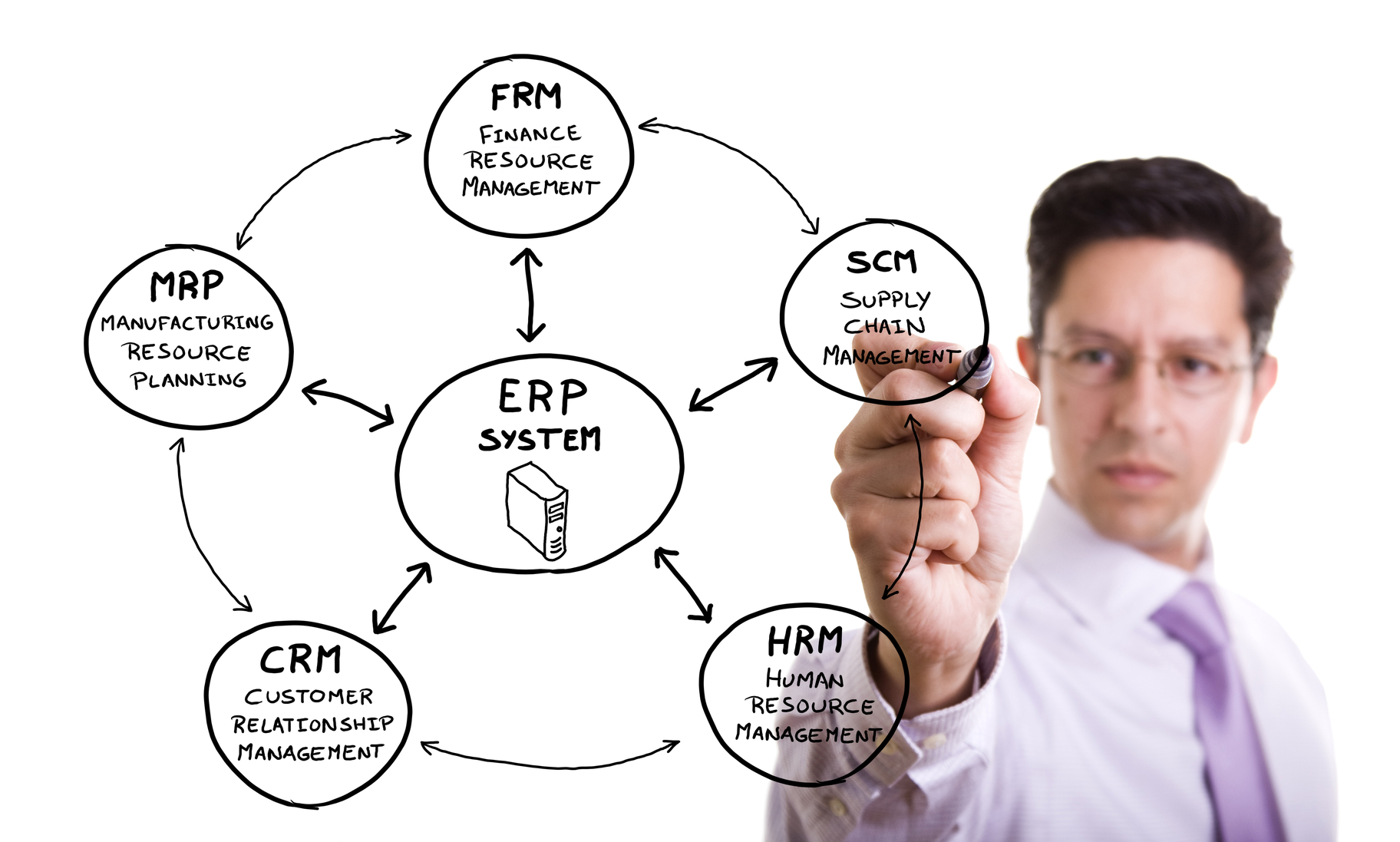
Businesses serving the oil/gas and mining industry will find many benefits in utilizing an integrated management system to handle business processes. Integrated management systems are superior to other management systems in that they can handle accounting processes in addition to indirect cost management and subcontract management.

In short, stockholders of these companies watched their holdings dwindle or disappear -- in some cases, billions of dollars were lost.